10 tips for successful Hybrid Events in the Congress and Meetings sector

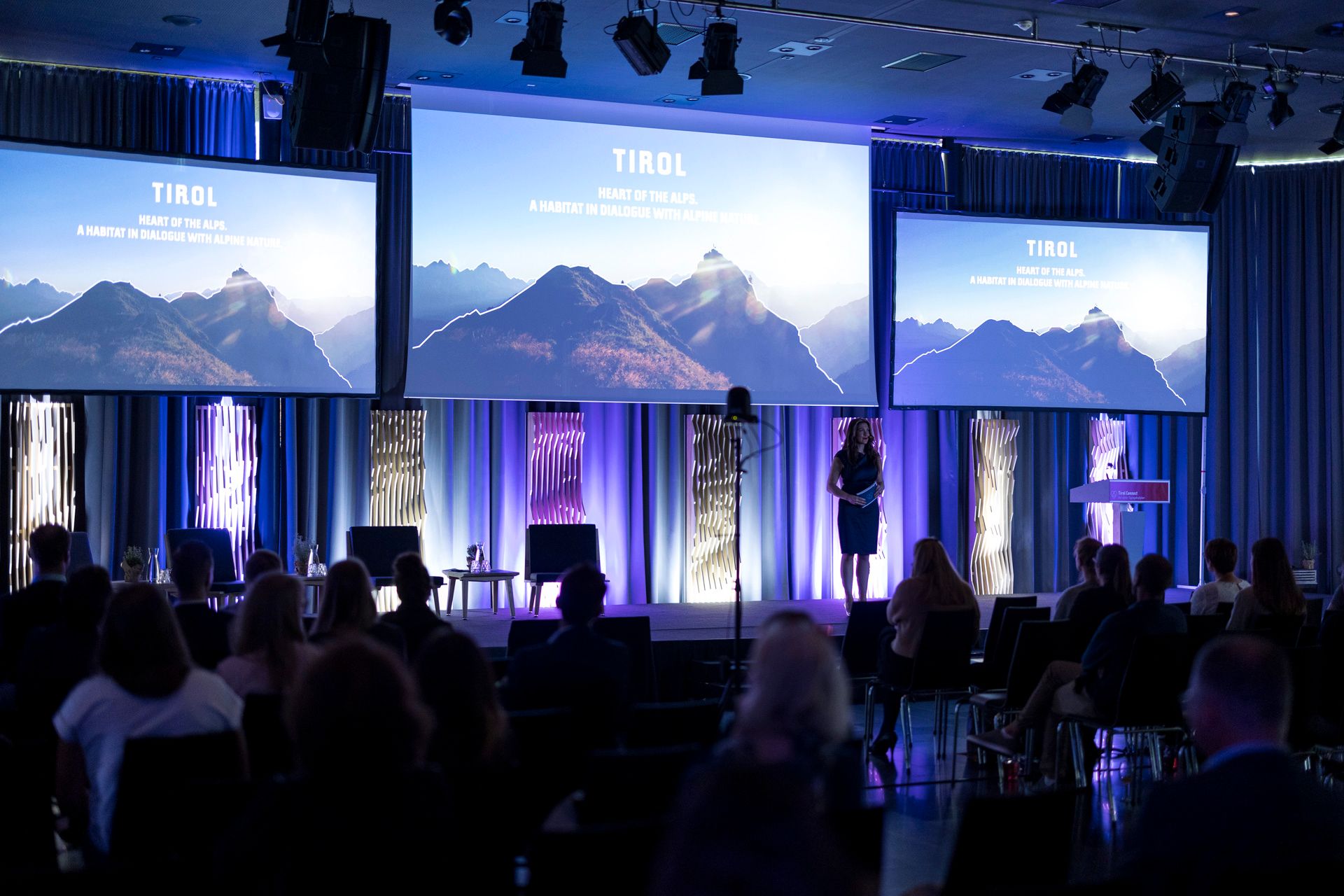
By definition: Hybrid Events are live events that are supplemented with digital elements. In the narrower sense, the term applies to events that can be attended both in person and virtually at the same time.

Hybrid events have long since evolved from a trend into an integral part of modern event strategies. They combine the strengths of in-person meetings with the reach of digital formats – thereby opening up new opportunities for communication, networking and value creation. At the same time, the demands on planning, technology and event design are increasing. Anyone wishing to organise hybrid events successfully must consistently integrate both worlds. The following tips highlight what really matters in this regard.

1. Hybrid events are a strategic format – not an add-on

Do not treat hybrid events as an ‘extended livestream’. They are a format in their own right, with clear objectives, key performance indicators and target audiences. For more information on their strategic positioning, see, for example, MPI (Meeting Professionals International).

2. Scale your reach intelligently

Hybrid events enable international participation without the need for travel. According to studies by ICCA (International Congress and Convention Association), this makes it significantly easier to tap into new markets and target audiences.

3. Content must work in both formats

What works well on stage often comes across as too long or too static online. Plan content that works for both channels – compact, visual and interactive. Tools such as Slido or Mentimeter specifically support audience engagement.

4. Networking is a key to success

Personal interaction is crucial, particularly in the Meetings sector. Complement in-person networking with digital matchmaking tools such as Converve to facilitate targeted business contacts online as well.

5. Data is your greatest asset

Hybrid events provide valuable insights into behaviour, interests and engagement. Platforms such as RingCentral Events offer integrated analytics that you can use for optimisation and follow-up.
 

6. Technical quality is part of brand perception

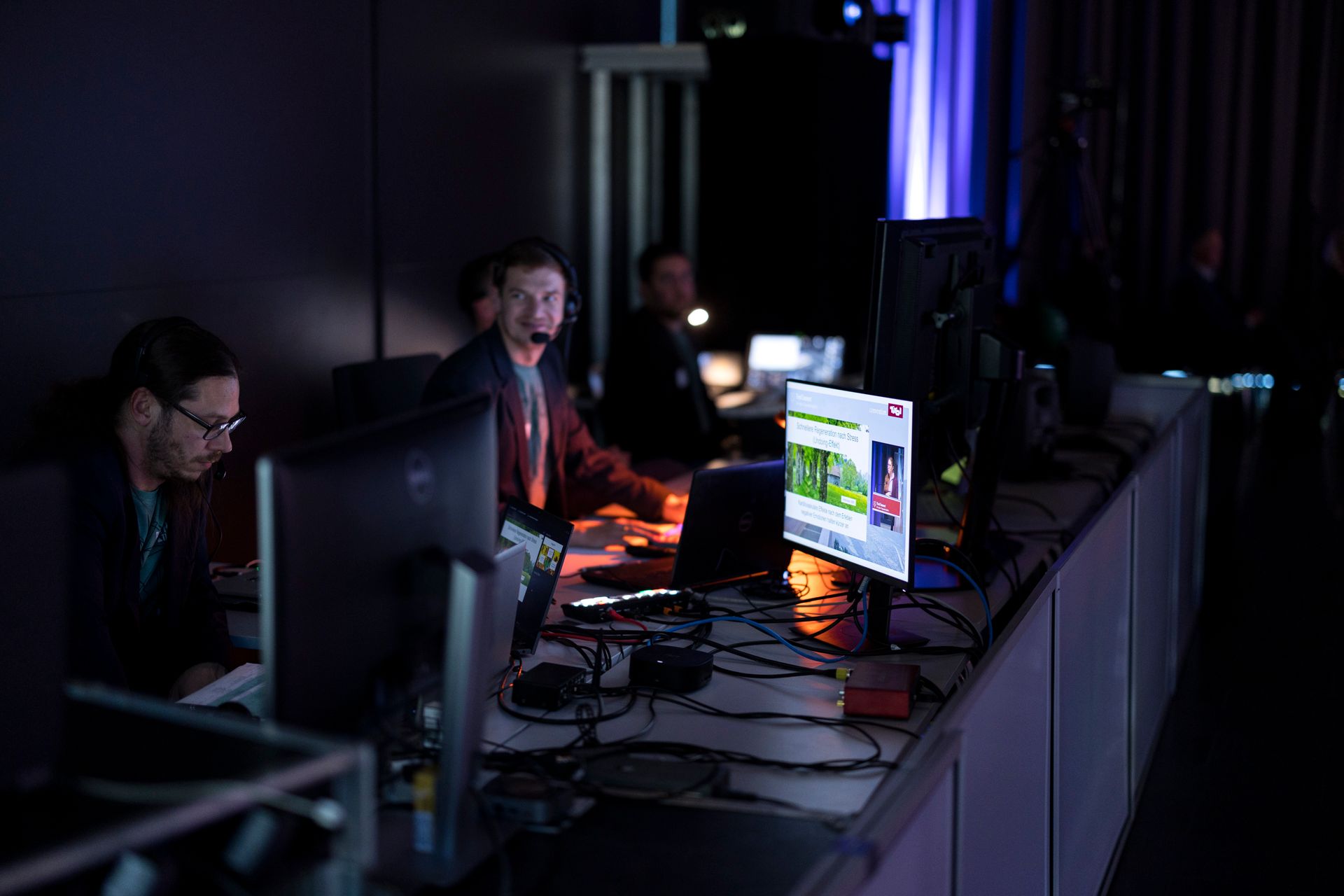
An event is always a factor in a company’s image. Professional picture and sound quality are not optional extras, but essential – particularly in a business context. Here you will find a selection of our service partners specialising in event technology.

7. Time is your participants’ scarcest resource

Plan shorter, clearly structured sessions. On-demand offers extend the lifespan of your content beyond the event itself.

8. Facilitation takes on a key role

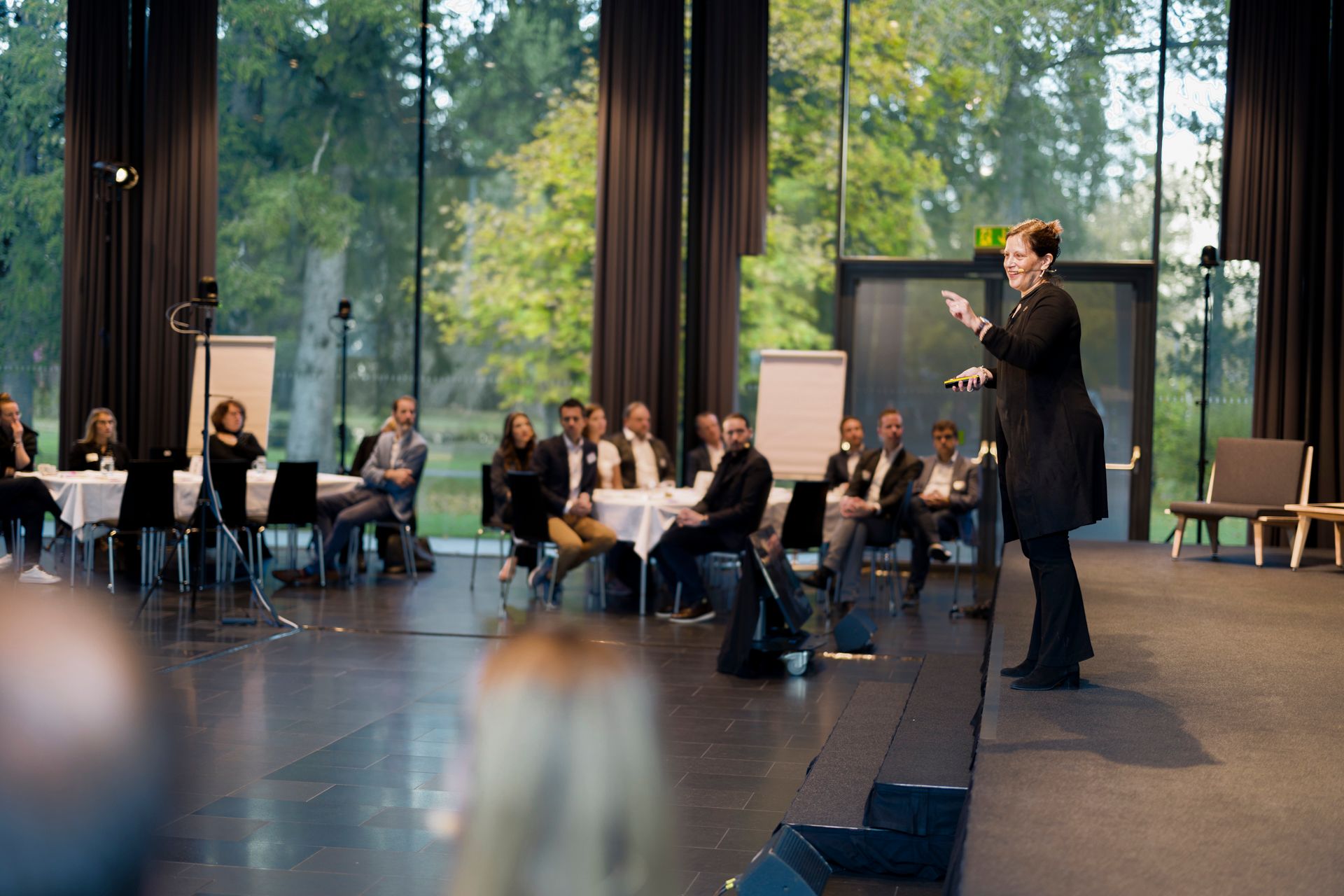
In a hybrid setting, the moderator bridges both worlds. They steer interaction, create momentum and ensure a balance between on-site and online participants – supported by tools such as Slido or Mentimeter.

9. Flexibility creates competitive advantages

Hybrid formats offer participants freedom of choice. This flexibility is increasingly becoming a decisive factor in event participation – a trend also confirmed by MPI (Meeting Professionals International).

10. ROI (Return on Investment) extends beyond the event

Think beyond the day of the event: content recycling, lead generation and long-term community engagement significantly boost overall success.
 

Conference Centres & Event Locations

Newsletter

Stay up to Date with the Tirol Newsletter

Our monthly newsletter reveals selected conference and congress tips from Tirol!