In February 2023, the Tirol Convention Bureau spoke to hotel manager Maximilian Blumschein about the path to certification, the requirements of the Austrian Ecolabel, the necessary operational changes, and the challenges and shifts in staff mindset.
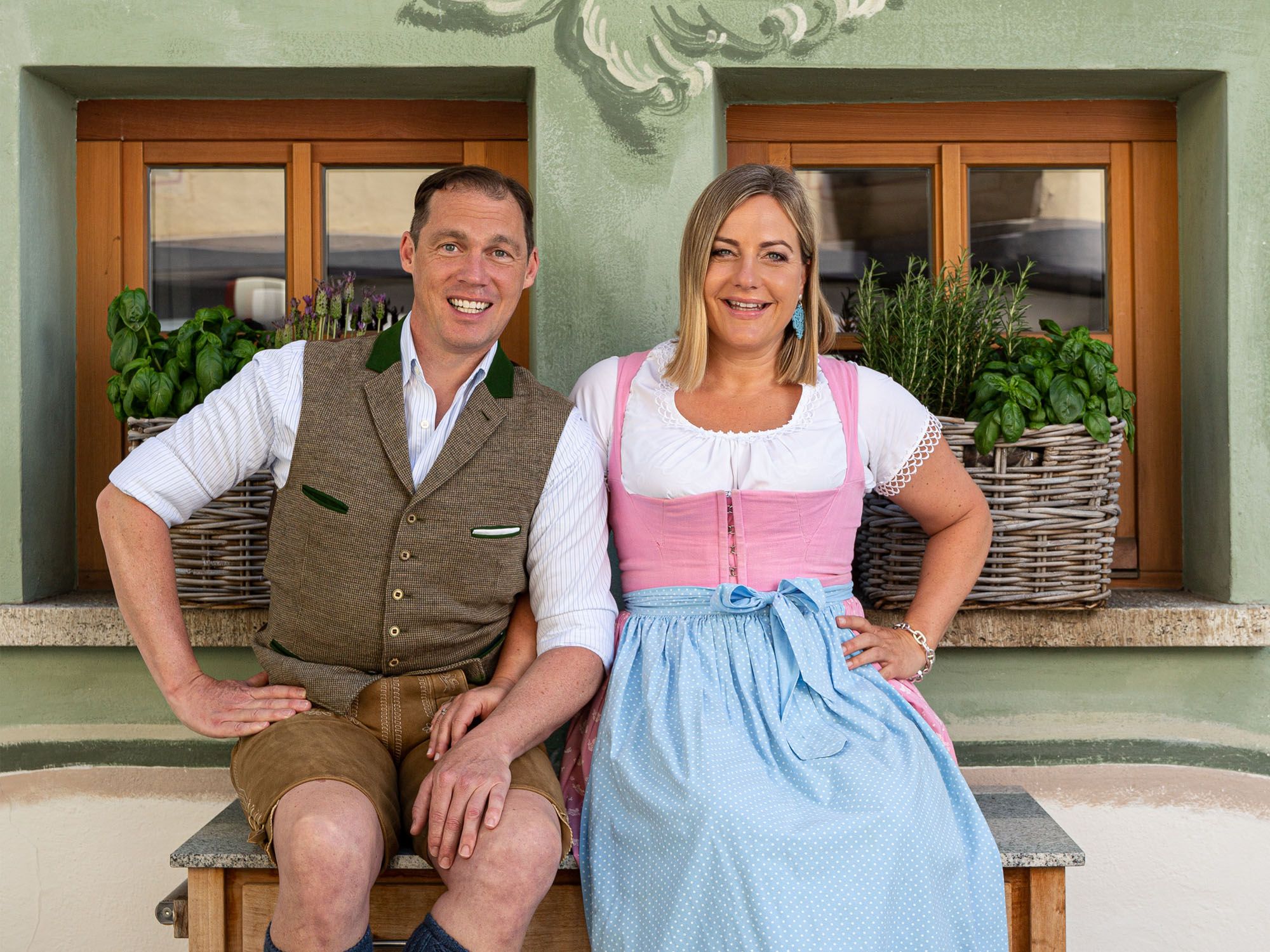
Maximilian Blumschein is originally from the Salzburg region, where his family runs an organic hotel. Even back then, he was actively involved in steering the hotel towards sustainability and describes this journey as a particularly exciting and instructive process.
Armed with this experience and his strong entrepreneurial spirit, he moved to St. Johann in Tirol with his wife, Sigrid Blumschein. Together, they took over the Hotel & Wirtshaus Post, where they have been consistently implementing their sustainable hotel concept ever since.
The two had been considering having the Hotel & Wirtshaus Post certified with the Austrian Ecolabel for quite some time. It was not until 2021 that the certification process was actively launched; it was successfully completed in April 2022 and the certificate was then formally presented by the Federal Ministry for Climate Protection in January.
Two factors were decisive in getting the process off the ground: on the one hand, the aim was to create a clear unique selling point; on the other, the building’s structural and organisational condition provided ideal conditions. Thanks to the comprehensive refurbishment carried out in 2014, all internal operational areas were already up to the required standard.
In total, the certification process took around a year, with the most intensive phase lasting approximately six months and requiring an average of two to three working hours per week. A consultant from the VKI (Association for Consumer Information) provided expert guidance and motivational support throughout the process.
“Whenever something is new, you’re full of enthusiasm and start off highly motivated, but that enthusiasm eventually wanes; you keep coming up against hurdles, and day-to-day business is still there to deal with. And having someone by your side who gives you that symbolic nudge to carry on, supports you, discusses the next steps with you and guides you – that’s obviously very helpful,” Maximilian tells us, and strongly recommends that every business embarking on the certification process seek support from a consultant.
The biggest challenge in the certification process for the Hotel & Wirtshaus Post lay in time management: although many of the basic requirements were already in place following the refurbishment, numerous technical metrics – such as energy and water consumption or insulation values – first had to be recorded in detail, which proved more time-consuming than expected.
Key adjustments included the switch to eco-friendly cleaning products and new standards in cleaning management, which entail moderate additional costs. When it comes to toiletries, the hotel relies on its partnership with Walde Seife, a long-established Tirolean company. In addition, waste sorting stations were set up on each floor and gas-powered patio heaters in the outdoor area were replaced with electric heating pads.
“We’re not saints either – we’ll inevitably emit some CO₂ somewhere – but I do believe we’re certainly doing better than average, and that’s something that needs to be highlighted and communicated,” says Maximilian Blumschein.
The kitchen has made a conscious decision to completely avoid seafood. The hotel therefore puts a regional spin on Classic dishes such as ‘surf and turf’ – for example, using char fillet from local waters. The restaurant also uses 100 per cent free-range eggs and beef sourced through a partnership with the Brunnhof, a farm with its own cattle breeding programme in St. Johann in Tirol.
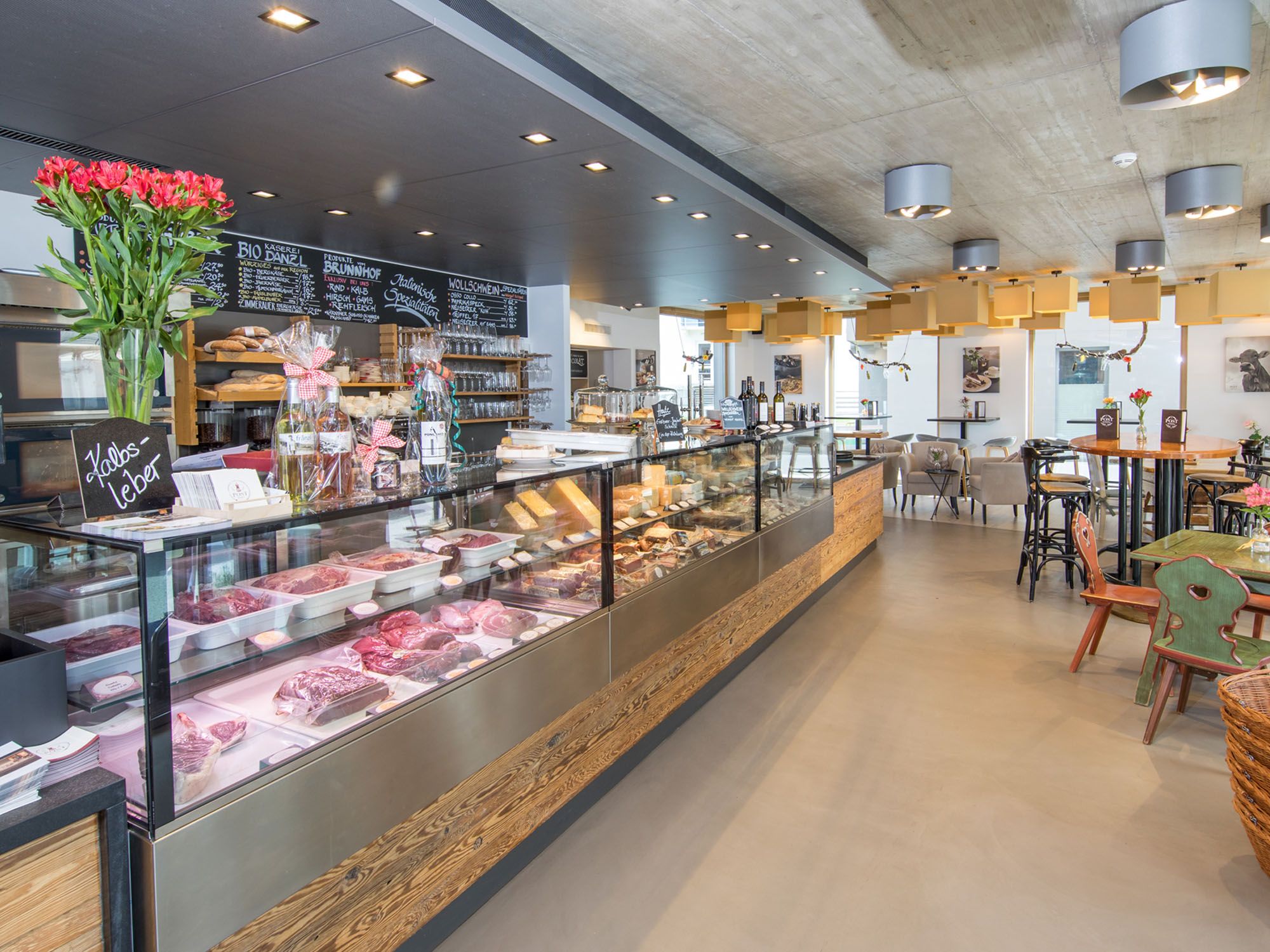
The prime cuts are sold in the hotel’s own delicatessen, the Postmarkt, which stocks mainly products from the region, Tirol and Italy, whilst other cuts of meat are used in the restaurant. Overall, food imports are kept to a minimum – with a few exceptions such as coffee or cocoa, which cannot be grown in Europe.
From the very start of the hotel takeover, work began on the staff handbook and mission statement. Maximilian Blumschein emphasises how important it is to continuously involve staff and clearly communicate the hotel’s mission: “We embody quality and happiness – only those who are satisfied themselves can make guests happy.”
The staff were open and committed to the certification process, and everyone was actively involved. Staff satisfaction is a top priority; it is regularly discussed in annual appraisals, and current and target situations are evaluated.
When asked if Maximilian would like to add anything else, he replies: “Yes, actually it should be the norm. Actually, it should be the other way round; actually, organic should be the standard, and anyone who doesn’t do it would have to be labelled as not doing it.”